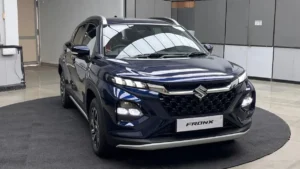
Five Japanese automakers, along with Suzuki Motor Corp and Mazda Motor Corp, on Friday said they could each invest 2% inside the on-call for self-riding car provider undertaking set up by SoftBank Corp and Toyota Motor Corp. Suzuki, Mazda, Subaru Corp, Isuzu Motors Ltd, and Toyota’s compact automobile unit Daihatsu will make investments fifty-seven. The corporations stated 1 million yen ($530,620) in the challenge – dubbed Monet – in return for a 2% stake. SoftBank and Toyota will each hold their 35% stake in the organization, now capitalizing at $26.6 million. Modern-day investors are part of Honda Motor Co Ltd and Hino Motors Ltd, Toyota’s truck-making operations, where every personal stake is 10%. Launched in October, the mission plans to roll out on-call for bus and automobile offerings in Japan in the subsequent 12 months and an offerings platform for electric cars inside the country as early as 2023, primarily based on Toyota’s boxy “e-palette” multi-motive automobile.
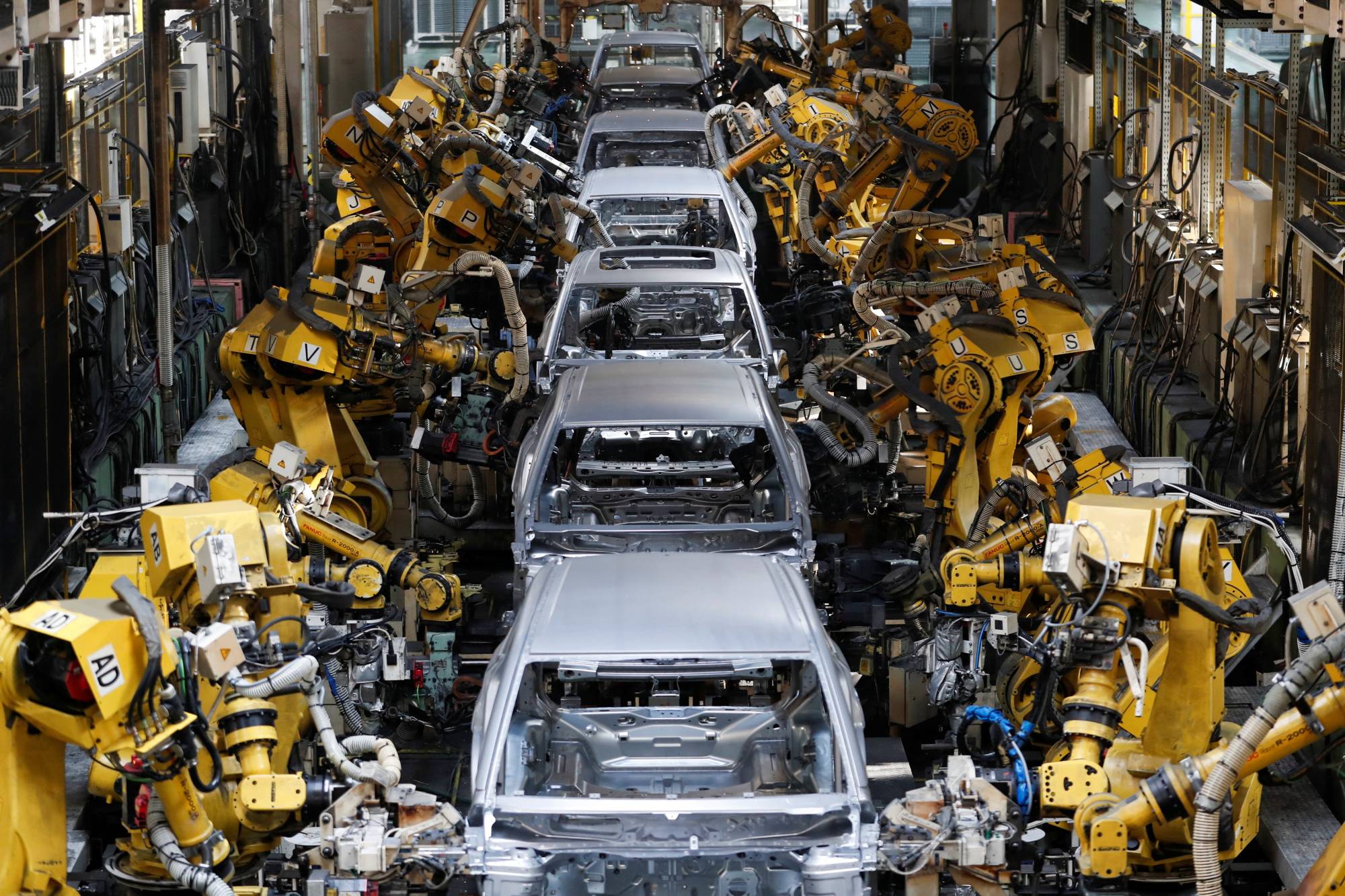
Monet is building up contributors because it joins the trip-sharing sphere, which is ruled using startups, including Uber Technologies Inc., Didi Chuxing, and Lyft Inc., as conventional automakers band together to compete in an enterprise that is putting a growing emphasis on offering vehicle services in preference to promoting automobiles to man or woman drivers. Automakers are increasingly becoming members of forces with technology businesses, in addition to each being different, as they grapple with the huge funding and software program knowledge required to increase those new services, for which calls have yet to be tested. The latest investment will see Suzuki, Mazda, and Subaru deepen their partnership with Toyota, as they’ve already agreed to faucet the R&D firepower of Japan’s largest automaker for electric-powered automobiles and other destiny automobiles technology. Friday’s declaration comes after Monet’s chief executive told Reuters it plans to extend its investor base and begin operating in Southeast Asia the following year.
Bankers aren’t averse to financing the gemstones and jewelry agencies; however, they sense that the industry desires to become more organized, obvious, and compliant to regain agreement. “Incidents just like the Nirav Modi and Gitanjali Gems have broken down the considering stage for the gems and jewelry enterprise. So there is a need to build belief by turning it into more obvious and criticism,” Union Bank of India chairman Kewal Handa said on July 2 at the 2-day Manthan Gems and Jewellery Conclave 2019 right here. On the other hand, he told the gemstones and jewelry enterprise must learn from the pharmaceutical enterprise, which had taken steps like becoming extra compliant, getting worldwide accreditation, and constructing a more potent federation. “Pharmaceutical enterprise has absolutely reformed themselves and installation structures and processes for purchasing greater organized,” he delivered.
He said that the modern liquidity disaster within the gemstones and jewelry industry and the bank’s non-appearing property have coincided, affecting the lenders giving loans to the industry. By the give-up of 2017, he added that the financial institution financing the gems and jewelry enterprise had changed to Rs 70,000 crore, which has now come down to much less than Rs 30,000 crore. IndusInd Bank EVP Biju Patnaik, who changed into the present occasion, stated that gemstones and jewelry enterprise funding are complicated. “The primary collateral is stock, and it’s miles more approximately stock financing because the collaterals are moving stock – do not remain with the lender,” he said. NSE managing director and CEO Vikram Limaye started NSE and overcame several demanding situations by adopting technology, paying attention to consumers, being compliant, and developing a sturdy market. These apply to jewelers too,” he delivered. He stated that NSE is eager to create a Gold Spot Exchange with the proper shape, adding that commodity alternate needs more participation from all key stakeholders.